Anti Inflammatory Breakfast: What to Eat Each Morning
By:Author:Flame Diet Editorial
Updated on:October 18, 2026
- Building Your Morning Plate Step by Step
- How Often Breakfast Choices Actually Matter
- Making This Work Before the School Run
- A Four-Week Way to Rebuild Your Breakfast
- What Changes As the New Habit Settles In
- Mistakes That Quietly Sabotage a Good Breakfast
- Turning Breakfast Into Routine With Flame Diet
- Picking One Swap to Start Tomorrow Morning
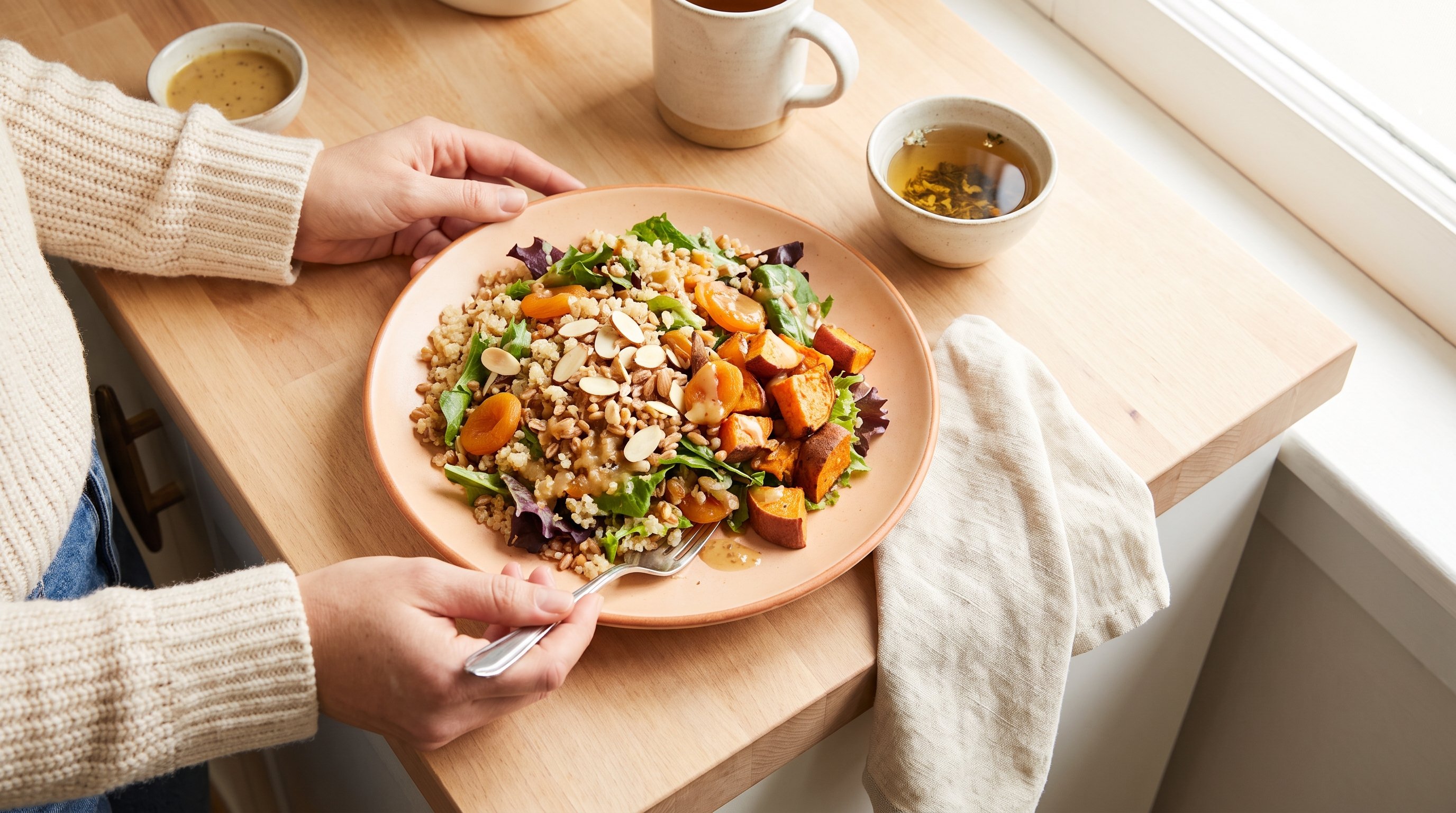
An anti inflammatory breakfast is simply a morning meal built mostly from whole foods - fruit, whole grains, nuts, seeds and some protein - instead of refined sugar and heavily processed carbs.
The logic is straightforward: what you eat first thing sets the tone for blood sugar and appetite for hours, so starting with foods that digest slowly and bring fibre and healthy fats tends to keep energy steadier than a sugary pastry ever will.
This guide covers what actually goes on the plate, how often it matters, a simple starter plan, where people tend to lose the habit, and how to keep it going without turning breakfast into a chore.
Building Your Morning Plate Step by Step
You don't need a new kitchen or a long shopping list to change what breakfast looks like. A few repeatable moves get you most of the way there.
Steps to Build the Plate
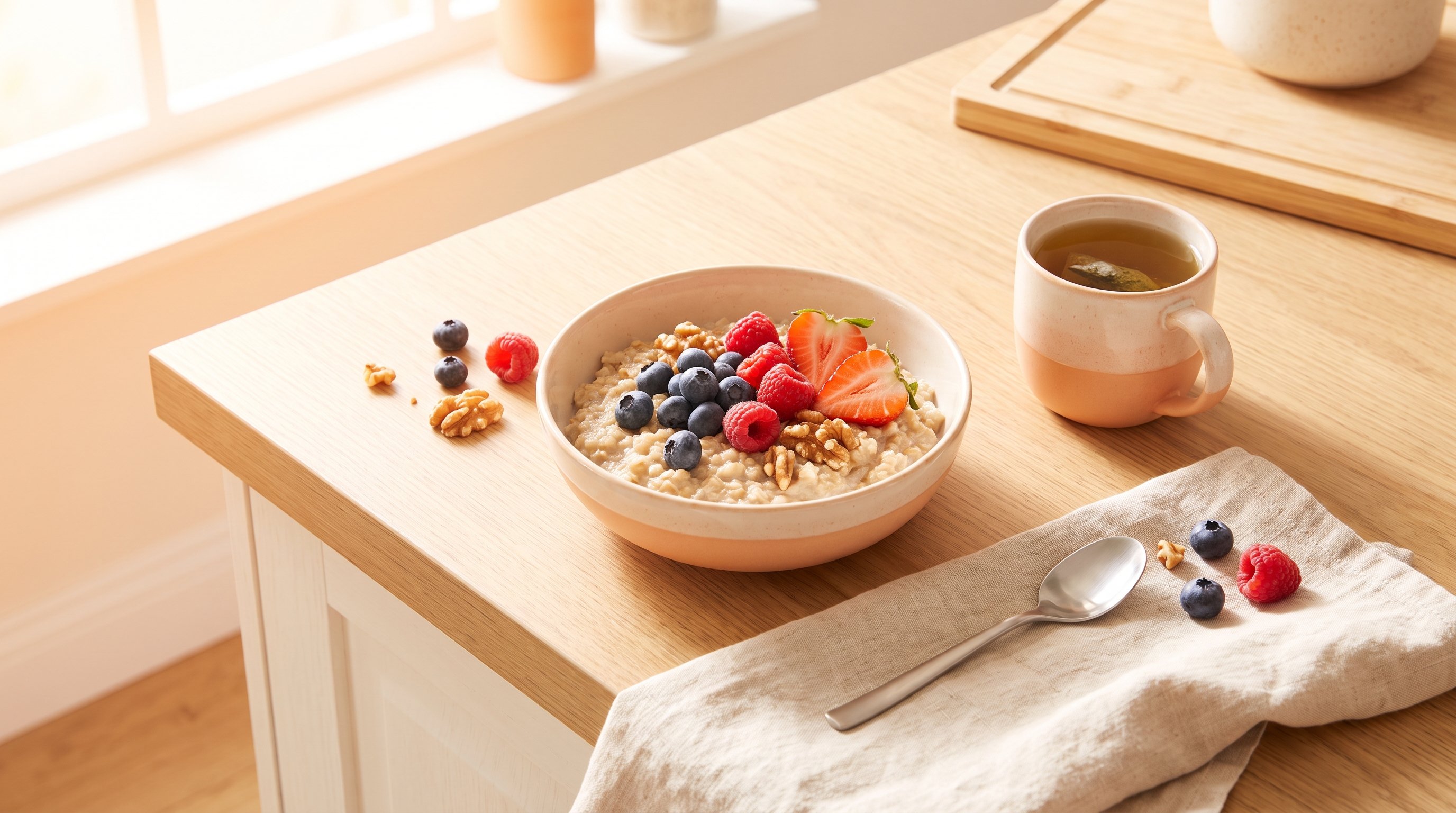
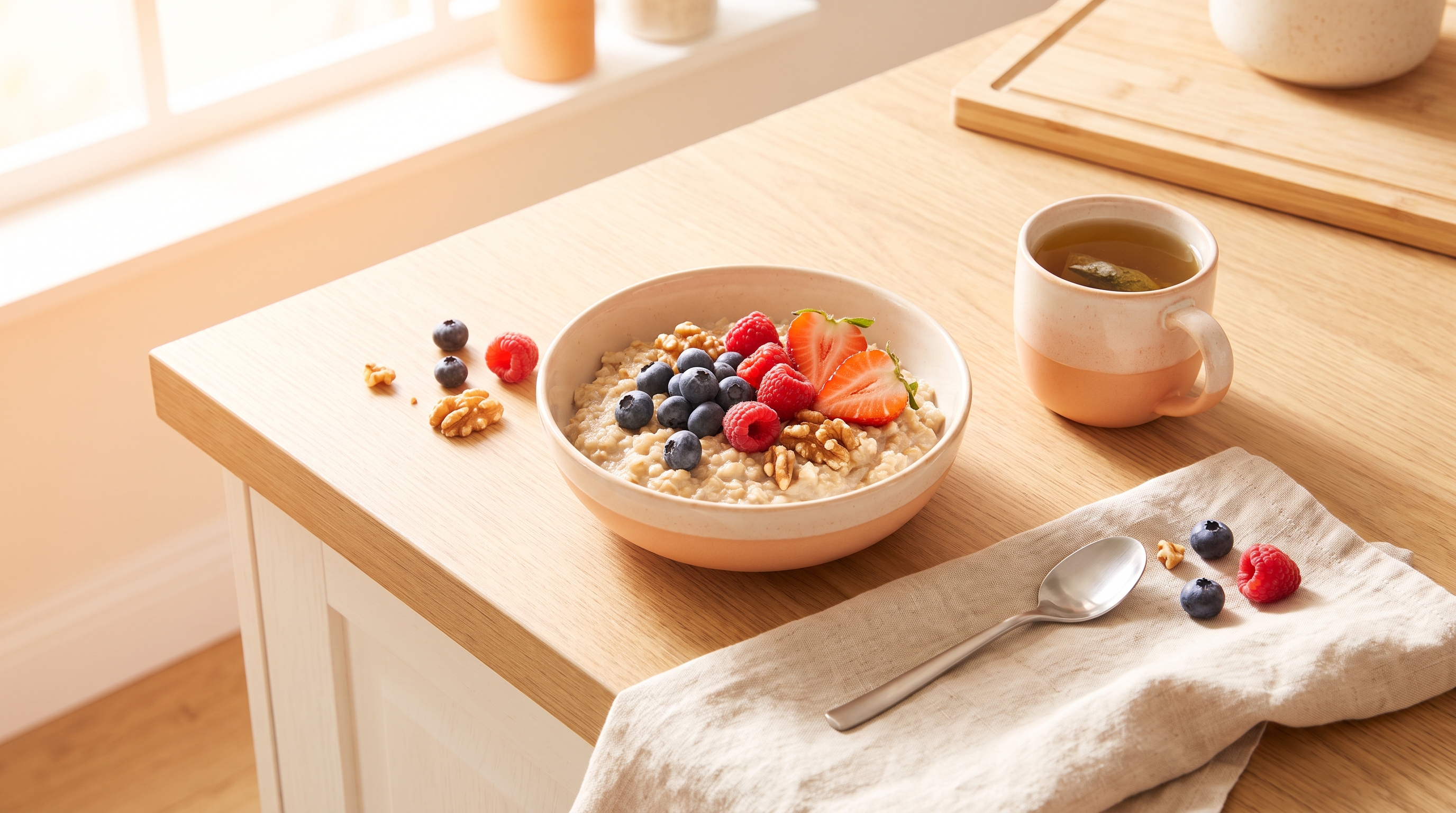
- Start with a base - oats, wholegrain toast, or plain yoghurt instead of sugary cereal or a plain pastry.
- Add colour - a handful of berries, chopped apple, or sliced banana brings fibre and natural sweetness.
- Build in protein - eggs, Greek yoghurt, cottage cheese, or a spoon of nut butter helps you stay full longer.
- Add healthy fat - walnuts, chia seeds, flaxseed, or a drizzle of olive oil on savoury options.
- Skip the added sugar - swap syrup or sweetened yoghurt for fresh fruit where you can.
- Check the drink - plain water, herbal tea, or black coffee beats a sugary juice or flavoured latte.
- Repeat what works - pick two or three combinations you actually like and rotate them so it never feels like extra effort.
How Often Breakfast Choices Actually Matter
Nobody needs a flawless breakfast every single day for this to make a difference.
A Realistic Frequency to Aim For
Most mornings built around whole foods, with the occasional pastry or sugary cereal thrown in, is a reasonable target rather than an all-or-nothing rule.
| Food | Suggested Frequency | Why |
|---|---|---|
| Oats with berries | Most mornings | Fibre plus natural sweetness |
| Eggs with vegetables | A few times a week | Protein without added sugar |
| Greek yoghurt and nuts | Most mornings | Protein and healthy fat together |
| Wholegrain toast with avocado | A few times a week | Fibre and unsaturated fat |
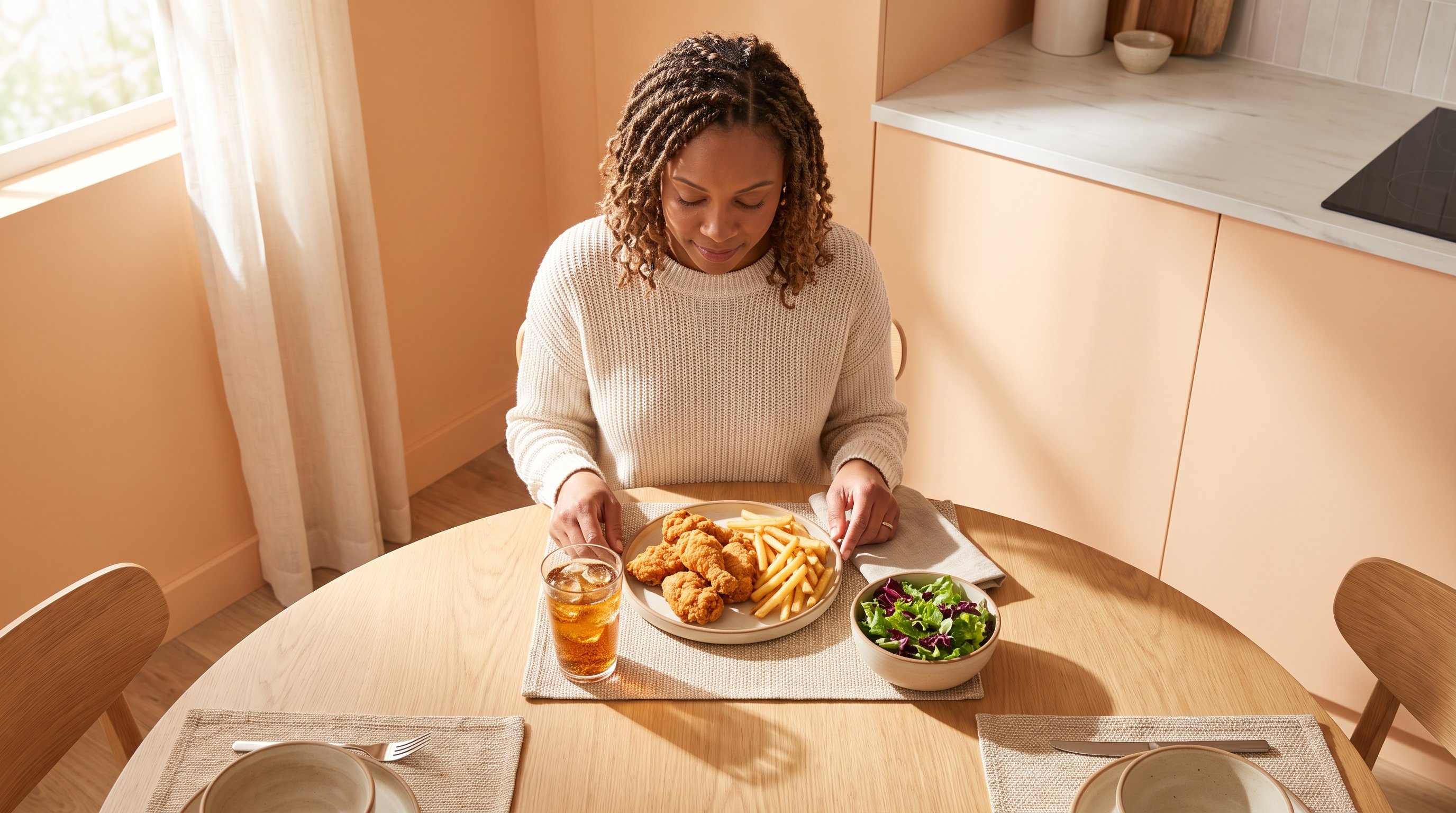
| Sugary cereal or pastry | Occasionally | Fine now and then, not daily |
Making This Work Before the School Run
Mornings are rushed, and that's exactly where most breakfast plans fall apart before they start.
Prepping oats the night before, boiling a batch of eggs on a Sunday, or keeping chopped fruit in the fridge removes the decision-making when you're half awake and short on time.
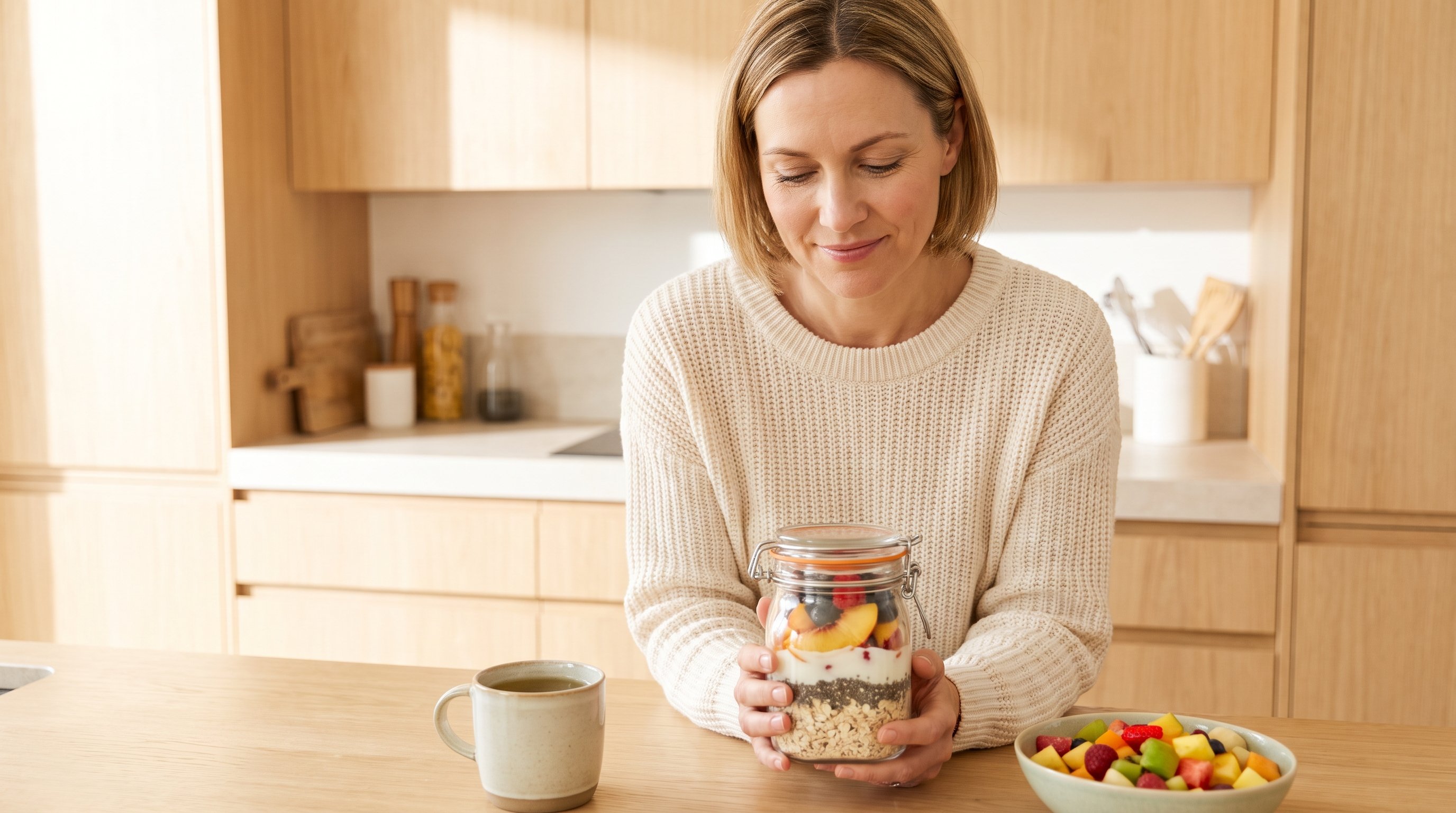
This is where a customized anti-inflammatory meal plan earns its keep, because it takes the guesswork out of what to grab and keeps the rest of the day's eating in the same direction.
A tailored meal-planning approach builds breakfast suggestions around food you already like, so the plan fits into a normal morning instead of asking you to rebuild it from scratch.
A Four-Week Way to Rebuild Your Breakfast
Changing breakfast works better as a gradual build than a sudden switch.
| Stage | Focus | What To Do |
|---|---|---|
| Week 1 | Swap one sugary item | Replace sugary cereal with oats or yoghurt |
| Week 2 | Add protein | Include eggs, yoghurt, or nut butter most mornings |
| Week 3 | Add fibre and fat | Mix in berries, seeds, or avocado |
| Week 4 | Make it automatic | Prep two go-to combinations in advance |
What Changes As the New Habit Settles In
There's no fixed day when a new breakfast suddenly feels normal, and that's worth saying plainly rather than promising a timeline that won't hold for everyone.
For some people, swapping out sugary breakfasts starts feeling steadier within a few weeks as energy dips smooth out.
For others it takes longer, especially if the rest of the day's eating hasn't shifted yet, and that's completely normal rather than a sign something's gone wrong.
Mistakes That Quietly Sabotage a Good Breakfast
Calling Fruit Juice a Whole Food
Juice strips out most of the fibre that makes whole fruit useful, so reach for the actual fruit instead and save juice for occasional use.
Skipping Breakfast and Overcorrecting at Lunch
Skipping the morning meal often leads to bigger, less thought-out choices later in the day, so even a small plate beats nothing at all.

Treating Granola As Automatically Healthy
Many granolas carry as much added sugar as a dessert, so check the label or swap in plain oats with your own toppings.
Forgetting Protein Entirely
A breakfast of just toast or cereal digests fast and leaves you hungry again within the hour, so add eggs, yoghurt, or nuts to slow things down.
Aiming for Perfect Instead of Repeatable
Chasing an elaborate breakfast every day is exhausting, so pick two or three simple combinations and rotate them instead.
Turning Breakfast Into Routine With Flame Diet
Knowing what belongs on the plate is one thing - actually doing it on a Tuesday morning before work is another.
Flame Diet pairs a customized anti-inflammatory meal plan with progress tracking, so your breakfast choices sit inside a wider routine instead of floating on their own, and the water, weight and step trackers help you see how the small morning swaps connect to the rest of your day.
Manage Weight with Personalized Flame Diet
Make it simple with a plan made for you
Picking One Swap to Start Tomorrow Morning
None of this needs to happen all at once. Pick one swap - oats instead of cereal, eggs instead of a pastry - and let it become normal before adding the next one.
A meal-planning tool can help you build out the rest of the plate once that first swap feels easy, so the habit grows instead of stalling after week one.
FAQ
It's a morning meal built mostly from whole foods like oats, fruit, eggs, yoghurt, nuts and seeds, rather than refined sugar and heavily processed carbs. There's no single required food - it's the overall pattern that matters.
No single meal targets fat in a specific spot, no matter how it's marketed. What a steadier breakfast can do is support consistent energy and appetite through the morning.
Most of the combinations here take five minutes or less, especially if you prep oats or boil eggs in advance. The time cost mostly disappears once you've picked two or three go-to options.
That's common, and it usually happens when the same meal gets repeated too often without variety. Flame Diet rotates options built around food you already like, which makes it easier to stay interested past the first couple of weeks.
Share this post