Foods That Reduce Inflammation: A Realistic Eating Guide
By:Author:Flame Diet Editorial
Updated on:October 18, 2026

- Does Changing What You Eat Actually Make a Difference?
- How Anti-Inflammatory Eating Actually Works in Your Body
- How Many Anti-Inflammatory Foods Should Land on Your Plate
- Gradual Swaps Beat a Strict Elimination Plan
- Fitting Anti-Inflammatory Swaps Into a Normal Week
- The Myth That One Food Cures Inflammation Overnight
- What Actually Decides How Much This Helps
- Mistakes That Quietly Undo Anti-Inflammatory Eating
- Making Anti-Inflammatory Foods Easier With Flame Diet
- Starting Your Next Grocery Run With This in Mind
Foods that reduce inflammation work by shifting the overall balance of what you eat, not by any single ingredient doing the work alone. More vegetables, oily fish, whole grains and healthy fats, less ultra-processed food and added sugar - that ratio is the mechanism.
The body runs a low level of inflammation all the time as part of normal repair and immune activity. What you eat can push that baseline up or down over time, which is different from any food acting like a quick fix.
This guide covers what actually changes the result, how often the swaps need to happen, where people usually go wrong, and how to build a plate that holds up on a normal Tuesday.
Does Changing What You Eat Actually Make a Difference?
Yes, within limits - the mechanism is substitution, not elimination. Swap a food that tends to push inflammation up for one that doesn't, and the overall pattern across weeks and months is what shifts, not any single meal.
The shift works through swapping: if a typical week has 21 meals and several of those currently lean on fried food, refined carbs or sugary drinks, replacing even two of those for a vegetable-and-fish or vegetable-and-legume plate changes your weekly intake. It's not an overnight shift, and nobody can promise a number or a date. But a pattern repeated 52 weeks a year adds up to a lot more than any single 'superfood' ever could on its own.
How Anti-Inflammatory Eating Actually Works in Your Body
Two separate mechanisms are doing the work here, and it helps to understand both so the food choices make sense.
Fewer Pro-Inflammatory Triggers Going In
Refined sugar, deep-fried food and heavily processed snacks are linked to the kind of dietary pattern that keeps baseline inflammation elevated. Cutting the frequency of these foods - not banning them outright - removes some of that constant pressure.
More Protective Compounds Going In
Vegetables, berries, oily fish and olive oil supply fibre, polyphenols and omega-3 fats that support the body's own anti-inflammatory processes. None of them act like medication - they just shift the raw materials your body has to work with.
How Many Anti-Inflammatory Foods Should Land on Your Plate
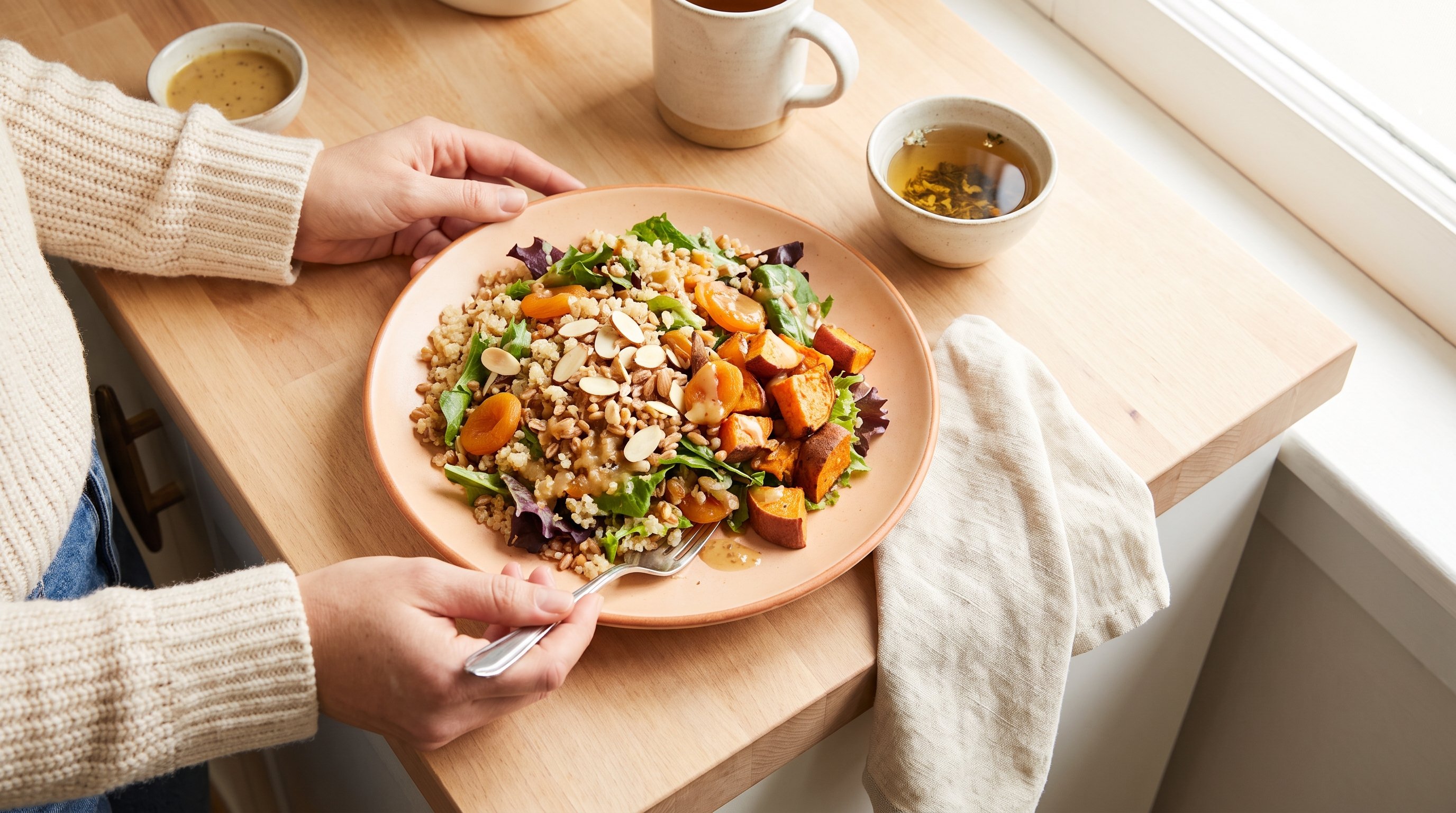
There's no single magic number, but a workable rule is to fill half the plate with vegetables or fruit, add a palm-sized portion of protein (oily fish, legumes or poultry), and finish with a smaller portion of whole grains or healthy fat.
A Simple Plate Ratio You Can Reuse
Think of it as roughly half vegetables, a quarter protein, a quarter whole grains or starchy vegetables, with a drizzle of olive oil on top. That ratio works for lunch, dinner, and most meals in between.

| Meal | Swap To Try | How Often |
|---|---|---|
| Breakfast | Oats with berries | Most mornings |
| Lunch | Leafy greens plus beans | 4-5 times weekly |
| Dinner | Oily fish or lentils | 2-3 times weekly |
| Snack | Nuts or fruit | Daily, small portion |
| Cooking fat | Olive oil over butter | Most meals |
Gradual Swaps Beat a Strict Elimination Plan
Compare two routes: an elimination diet that cuts out whole food groups overnight, versus a gradual swap-based approach that replaces one or two meals a week.
Elimination diets ask for more willpower up front, and willpower is a finite resource that runs out on a stressful Wednesday. Gradual swaps ask less of you at any one moment, which is exactly why they tend to stick around longer.
The adherence argument is simple: a plan you can actually keep doing beats a stricter plan you abandon in three weeks, every time.
Fitting Anti-Inflammatory Swaps Into a Normal Week
Real weeks involve takeaway nights, packed lunches eaten at a desk, and dinners cooked in under 20 minutes - any eating pattern has to survive that, not a quiet Sunday with time to spare.
A meal plan built around food you already like makes this easier, because you're not trying to learn 20 new recipes at once - just adjusting the ones already in rotation.
This is where a customized anti-inflammatory meal plan fits in: it builds around your existing preferences, so the swaps feel like small tweaks rather than a new diet to learn from scratch.
The Myth That One Food Cures Inflammation Overnight
No single food - turmeric, ginger, celery juice, whatever the latest trend is - reduces inflammation on its own or overnight. That's not how diet or the body works, and no honest source will tell you otherwise.
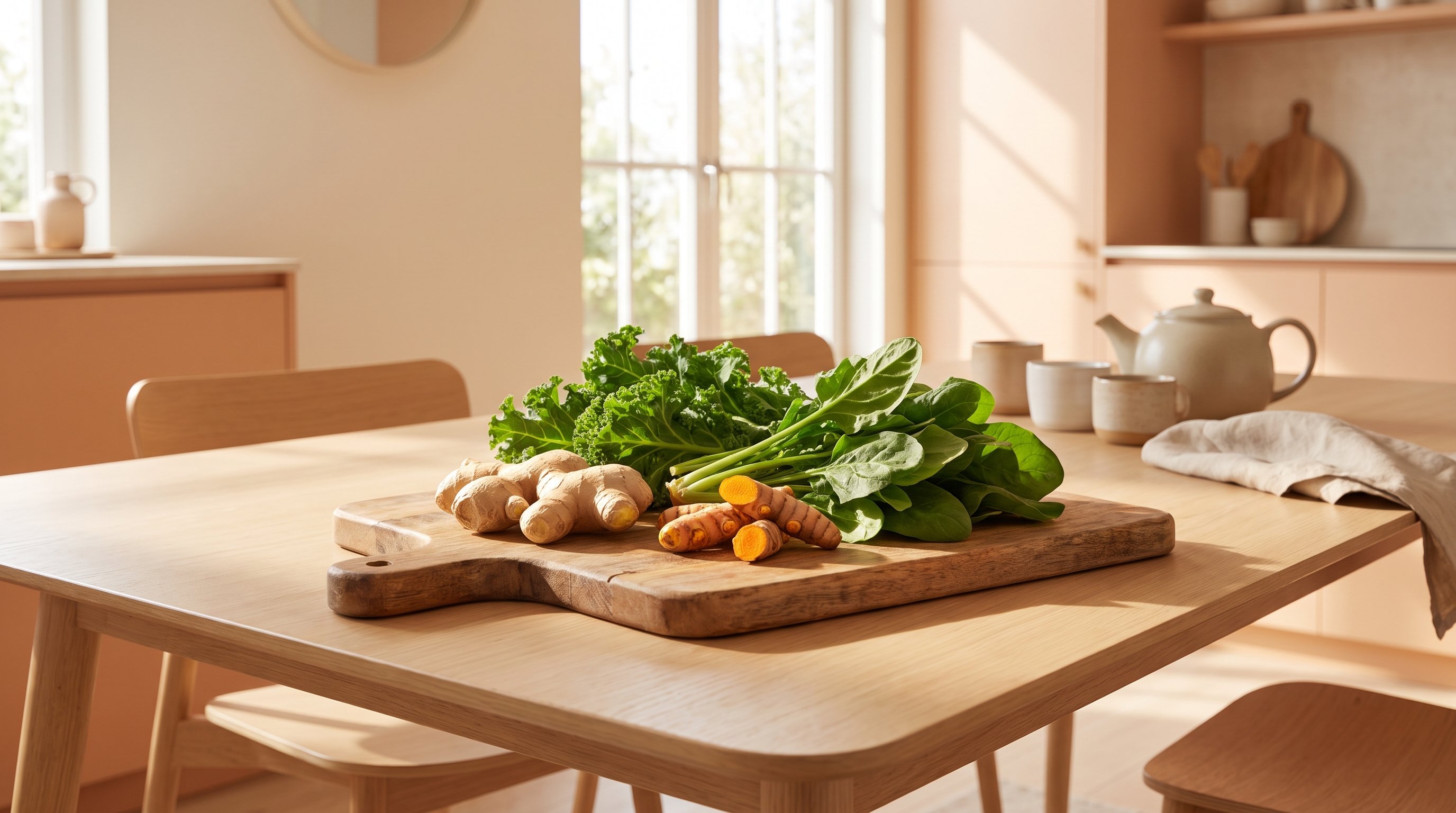
The real answer is pattern, not potion: a diet that leans toward vegetables, fibre, omega-3s and whole foods across weeks and months does more than any single ingredient ever could alone.
There's also no such thing as eating to reduce inflammation in one specific area of the body - the body doesn't work that way, and any claim that a food targets a joint or a body part isn't accurate.
What Actually Decides How Much This Helps
Three things determine how much a change in diet actually moves the needle over time.
The Factors That Matter Most
- Consistency over time - a pattern held for months does more than any single perfect week.
- Overall diet quality - swapping two meals helps less if the other 19 stay heavily processed.
- Other lifestyle factors - sleep, movement and stress all interact with how the body handles inflammation, so food is one lever among several.
Mistakes That Quietly Undo Anti-Inflammatory Eating
Trying to Overhaul Everything at Once
Replacing your entire kitchen cupboard in one weekend rarely survives past day ten. Pick two meals to swap this week and leave the rest alone.
Chasing One 'Superfood' Instead of the Pattern
Adding turmeric to an otherwise unchanged diet won't do much by itself. Focus on the overall plate, not one ingredient doing all the work.
Treating Healthy Fats As Unlimited
Olive oil and nuts are good swaps, but portion still matters since they're calorie-dense. A drizzle and a handful, not a bottle and a bag.
Giving Up After One Off Week
A week of takeaway dinners doesn't erase the pattern you've built. Pick the plan back up the next day instead of starting over from zero.
Making Anti-Inflammatory Foods Easier With Flame Diet
Knowing which foods help is one thing - building a week around them without spending hours planning is another.
Flame Diet handles that gap with a tailored anti-inflammatory meal plan, progress tracking for things like water and weight, light guided workouts, and nutrition guides written to back up the food choices with practical context.

Manage Weight with Personalized Flame Diet
Make it simple with a plan made for you
Starting Your Next Grocery Run With This in Mind
Pick one meal this week - lunch, dinner, doesn't matter - and swap in a plate built around vegetables, a lean protein and a drizzle of olive oil instead of whatever's currently in that slot.
That's the whole starting point: one swap, repeated, becomes a pattern, and Flame Diet is built to help keep that pattern going once the first swap feels easy.
FAQ
They can support sustainable eating patterns because the swaps tend to be lower in refined sugar and processed fat. No food or plan guarantees a specific weight-loss outcome or timeframe though.
No - the whole approach here is substitution rather than elimination, so no food group gets banned outright. That's part of why it tends to be easier to stick with than a strict elimination plan.
Simple swaps like pre-washed greens, tinned beans or frozen oily fish fillets cut the prep time right down. Flame Diet can also map out quick options so you're not improvising every night.
That varies a lot by person and current habits, so there's no fixed number worth quoting. Most people find it gets easier once two or three swaps become automatic rather than something to think about.
Share this post