Vitamin C Foods: Why Whole Food Sources Beat Daily Supplements
By:Author:Flame Diet Editorial
Updated on:October 18, 2026
- What a Day Built Around Vitamin C Foods Looks Like
- How Many Vitamin C Foods You Actually Need Daily
- Why Eating the Food Beats Swallowing a Tablet
- Fitting Vitamin C Foods Into a Normal Grocery Run
- Adjusting Vitamin C Foods to Different Routines
- What Changes As These Foods Become a Habit
- Building These Foods Into a Daily Plan With Flame Diet
- Making These Foods Your Default Choice
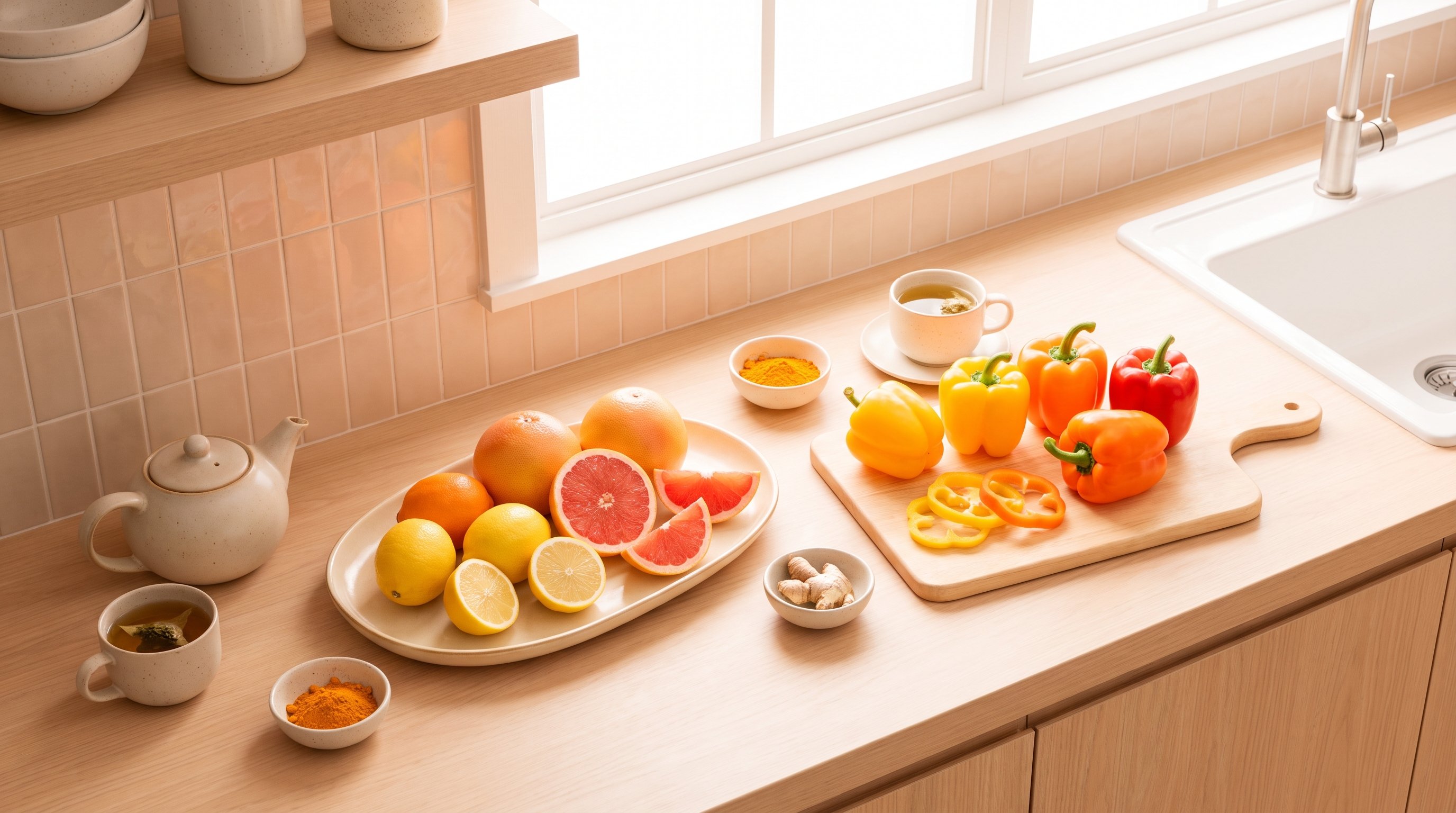
Vitamin C foods like peppers, citrus, berries and leafy greens give you the nutrient alongside fibre, water and hundreds of other plant compounds a tablet simply can't replicate.
A supplement delivers one isolated molecule in one dose. Whole food delivers that same molecule packaged with everything else your body expects to find it next to, which is part of why the eating pattern matters more than the pill.
This guide covers what a good day of these nutrient-rich foods looks like, how much you actually need, why food beats supplements for sticking with it, and how to fit it into a normal week.
What a Day Built Around Vitamin C Foods Looks Like
You don't need a special shopping list to get there. Most days already have room for two or three high-vitamin C options if you know where to slot them in.
A Sample Day
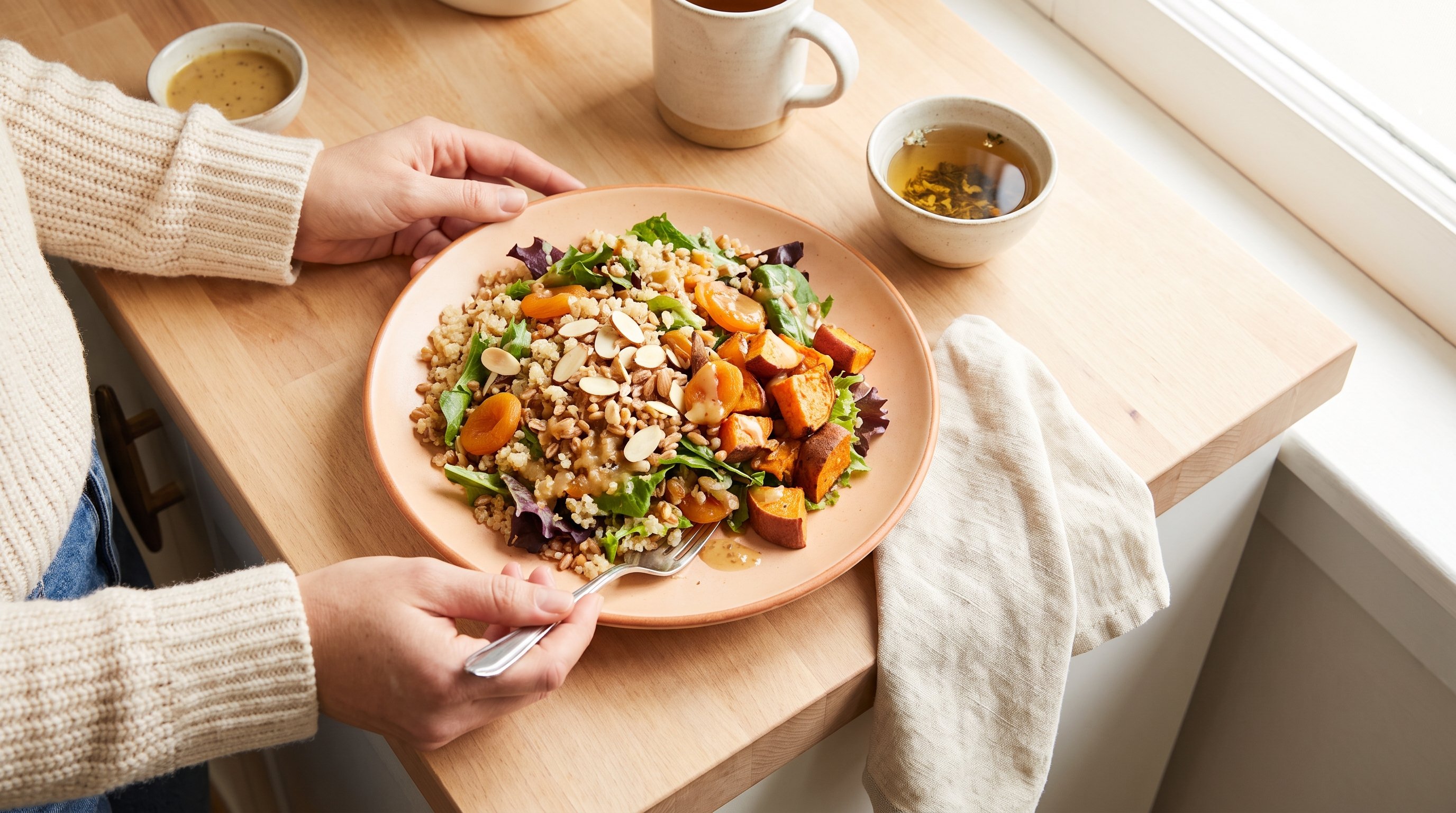
- Breakfast - sliced strawberries or kiwi stirred into porridge or yoghurt
- Mid-morning - a small orange or a handful of mandarin segments
- Lunch - a salad built on raw red pepper and shredded cabbage
- Afternoon - a cup of chopped pineapple or papaya
- Dinner - steamed broccoli or sauteed kale alongside your main plate
Spread this way across the day, you're not relying on one big hit of the nutrient from a single meal or a single pill.
How Many Vitamin C Foods You Actually Need Daily
Portions That Add Up Without Overthinking It
You don't need to measure milligrams at the dinner table. A couple of servings from the table below, spread across the day, covers most people's needs without any counting.
| Food | Typical Serving |
|---|---|
| Red bell pepper | Half a pepper, raw |
| Orange | One medium orange |
| Strawberries | One cup, sliced |
| Broccoli | One cup, cooked |
| Kiwi fruit | One whole kiwi |
Mix two or three of these into a normal day and you've covered the basics without a single supplement bottle in sight.
Why Eating the Food Beats Swallowing a Tablet
A vitamin C tablet is easy. Pop it, swallow it, done in two seconds, and that's exactly its appeal.
But easy isn't the same as effective long-term. A tablet gives you one molecule and nothing else, while a pepper or an orange gives you fibre that slows digestion, water that adds volume to meals, and a food you actually have to chew and taste.

That chewing and tasting matters more than it sounds. Food you enjoy eating is food you keep eating, and a habit that keeps running for months beats a supplement bottle that quietly stops getting refilled after three weeks.
The harder route here isn't the food, it's trying to remember a daily pill on top of everything else. Building meals around fruit and vegetables you already like removes a step instead of adding one.
Fitting Vitamin C Foods Into a Normal Grocery Run
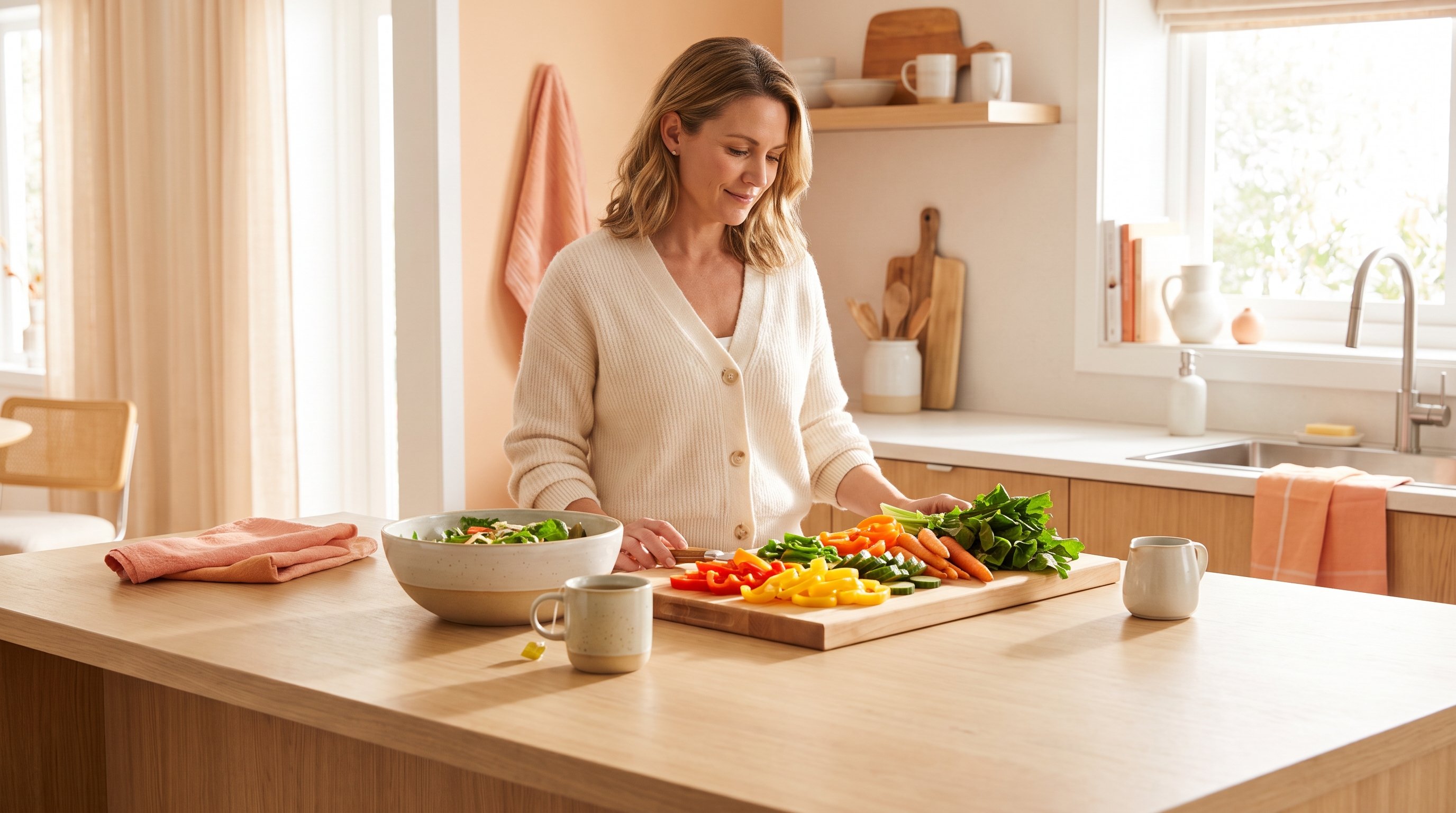
Nobody wants a separate shopping trip just for these nutrient sources. The trick is treating these foods as swaps inside the groceries you're already buying, not an extra list taped to the fridge.
Swap the usual side salad for one built on red pepper and cabbage. Swap a sugary snack for a handful of berries, or add a squeeze of lemon to a dish you were cooking anyway.
This is exactly the kind of small, repeatable swap that a meal plan built around food you already like can handle for you, so you're not redesigning your week from scratch.
Flame Diet leans on this idea directly, structuring a customized anti-inflammatory meal plan around ingredients that fit your actual grocery basket instead of a list of foods you'll never buy twice.
Adjusting Vitamin C Foods to Different Routines
If You're Just Starting Out
Pick one fruit and one vegetable you already enjoy and build those into two meals a day. That's enough of a foundation before you try to juggle five different high-vitamin-C options at once.
If Your Week Is Packed
Pre-chopped peppers, bagged salad leaves and frozen berries skip the prep step entirely. Frozen fruit keeps its nutrient content reasonably well and costs less time than fresh produce that needs washing and cutting every single day.

If You're Cooking for Older Family Members
Lightly steaming vegetables like broccoli makes them easier to chew while keeping more of the nutrient than boiling does, since less of it leaches into the cooking water. Soft fruit like kiwi, orange segments or ripe papaya are gentle options that don't need much chewing.
If You Already Eat a Lot of Processed Food
Start by adding one vitamin C food to your existing plate rather than overhauling the whole meal. A handful of pepper strips next to a sandwich is a smaller ask than rebuilding dinner around vegetables overnight.
What Changes As These Foods Become a Habit
The first couple of weeks are mostly about remembering. You'll forget the pepper in the fridge, grab the biscuit instead of the kiwi, and that's completely normal.
Somewhere around the point where one of these foods shows up in two meals without you planning it, the habit has mostly taken hold. There's no fixed week number for that, it depends on how often you shop, cook and repeat the same few meals.
What usually derails it isn't lack of willpower, it's running out of the food. Keeping a rotating stock of two or three options, fresh or frozen, is what keeps the habit alive past the first month.
Building These Foods Into a Daily Plan With Flame Diet
Knowing which foods to eat is one thing. Actually building them into breakfast, lunch and dinner without extra thought every single day is the part that trips most people up.
Flame Diet handles that groundwork by structuring meals around ingredients you already like, so these nutrient-rich options show up because they fit the plan, not because you had to remember them. Alongside the meal plan, its progress tracking tools let you keep water intake, weight and steps in one place, so a small food swap isn't the only thing you're trying to hold onto in a busy week.
Manage Weight with Personalized Flame Diet
Make it simple with a plan made for you
Making These Foods Your Default Choice
The simplest place to start is tonight's dinner. Add one vegetable from the table above to your plate, or swap the usual dessert for a piece of fruit, and repeat that tomorrow.
Flame Diet can take the guesswork out of what comes next, turning that single swap into a full week of meals you don't have to plan from scratch.
FAQ
Whole foods deliver the nutrient alongside fibre, water and other plant compounds that a tablet doesn't contain, which supports a fuller eating pattern rather than one isolated nutrient. The food is also something you taste and enjoy, which tends to make the habit stick longer than a bottle on the counter.
A tablet feels easier in the moment, but remembering a daily pill on top of everything else is its own kind of effort. Building these nutrient-rich foods into meals you're already eating removes a step instead of adding one.
Frozen fruit and vegetables are a practical backup since they keep their nutrient content reasonably well and don't need using up within days. Buying smaller amounts of fresh produce more often also cuts down on waste.
Keep two or three vitamin C foods you actually like stocked at all times, fresh or frozen, so the habit doesn't depend on remembering a shopping list. Flame Diet's meal plan and tracking tools are built to carry that structure for you, so the habit survives the weeks when motivation doesn't show up on its own.
Share this post