12-3-30 Workout: How to Fit the Routine Into Real Life
By:Author:Flame Diet Editorial
Updated on:October 18, 2026
- Does the 12-3-30 Treadmill Method Actually Add Up
- Why the Incline and the Pace Both Matter
- How Often You Need to Walk 12-3-30 to See a Pattern
- Incline Walking Versus High-Intensity Cardio for Sticking With It
- Making 12-3-30 Work Around Commutes, Jobs and Kids
- The Myth That One Walk Reshapes a Specific Body Part
- Three Factors That Decide How Much the Routine Delivers
- Where the 12-3-30 Routine Quietly Falls Apart
- Pairing the 12-3-30 Habit With Flame Diet's Tools
- Turning 12-3-30 Into a Habit That Outlasts the Trend
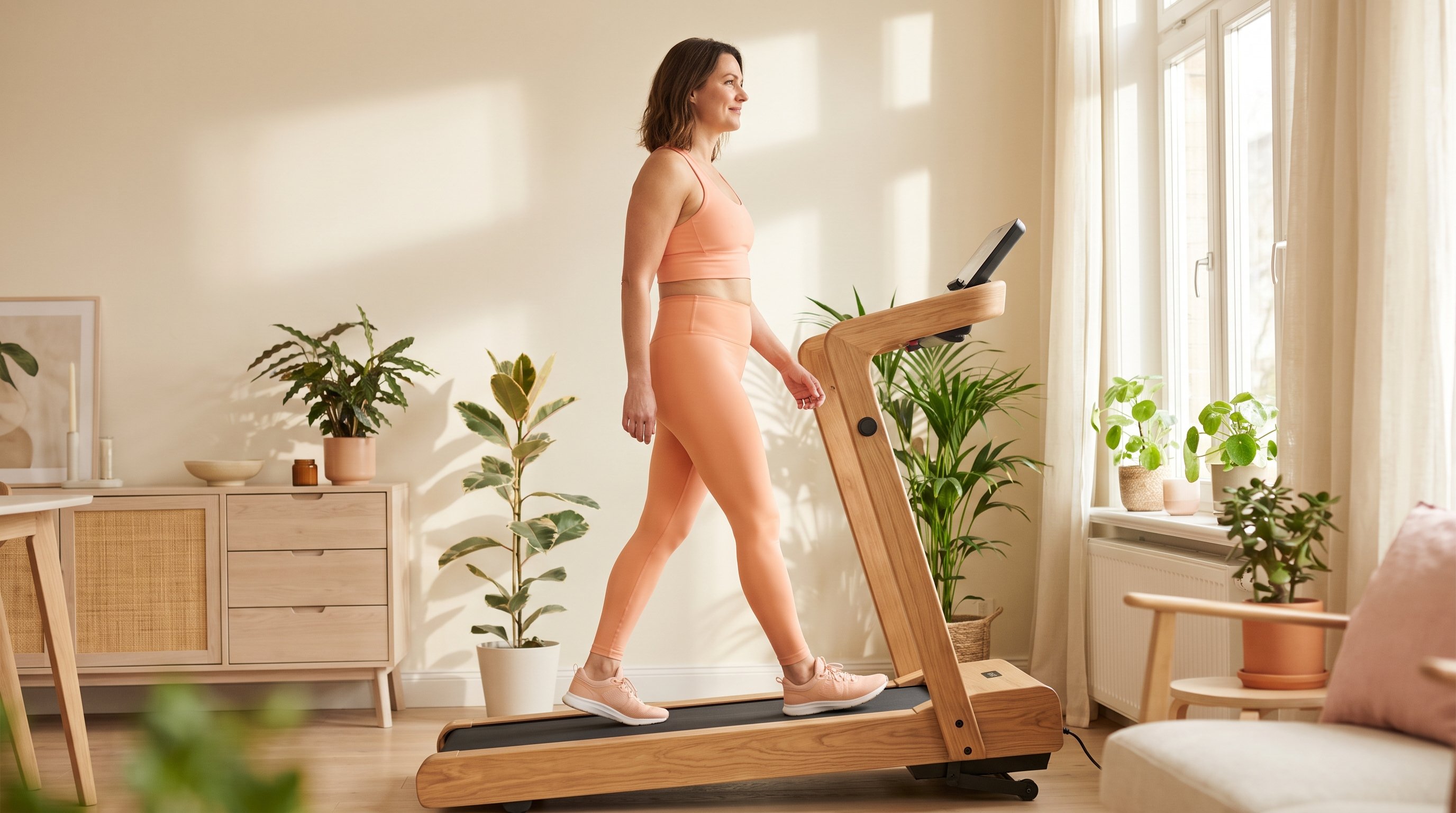
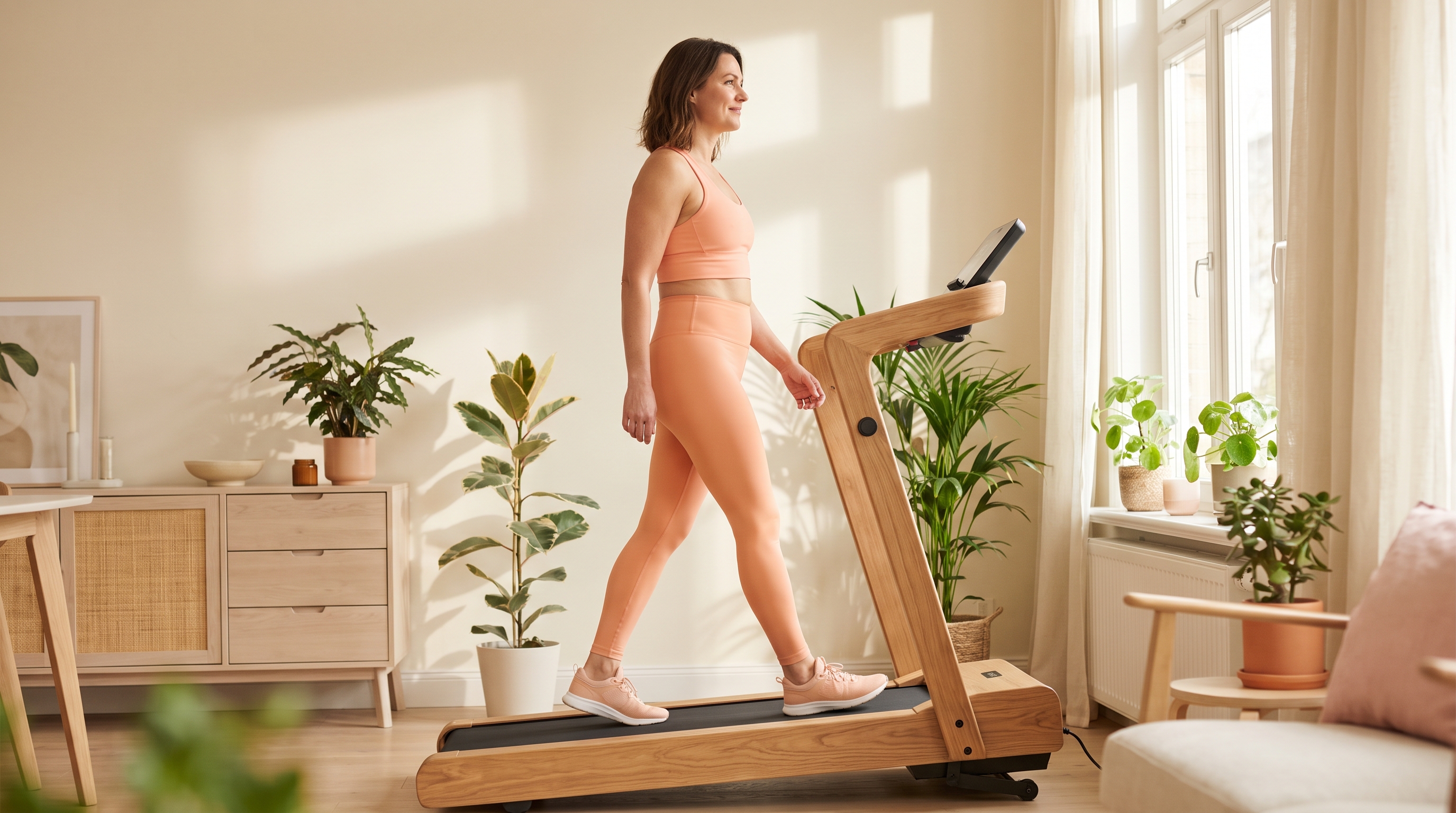
The 12-3-30 workout means walking on a treadmill with an incline, at a moderate pace, for 30 minutes. It works by turning an ordinary walk into a steady, sustained effort your legs and lungs actually feel, without any running or jumping involved.
The incline does the heavy lifting here. It forces your body to work harder than flat walking would, which raises the number of calories that single session burns, while keeping the impact low enough to repeat often.
This guide covers whether the method holds up, how the incline and pace actually change the effort, how often to do it, and how to fold 30 minutes of incline walking into a week that is already full.
Does the 12-3-30 Treadmill Method Actually Add Up
The mechanism is simple: a steep incline at a brisk but sustainable pace raises your heart rate and energy output above what flat walking demands, for a full 30 minutes without stopping.
That matters because consistency, not intensity, is what drives a calorie deficit over weeks and months. Thirty minutes done most days adds up to a far larger weekly total than an intense session skipped half the time.
Do the arithmetic on frequency rather than a single session. Five sessions a week means 150 minutes of sustained effort, which is a meaningful weekly total by most movement guidelines, built from a routine simple enough to actually repeat.
Nobody can promise a number on the scale from this, and no honest source will try. What it does offer is a repeatable, low-skill way to spend half an hour that your joints and your schedule can both tolerate.
Why the Incline and the Pace Both Matter
The two settings work together, not separately. Pull either one out and the workout stops being the workout.
The Incline Changes the Effort, Not the Speed
An incline turns a stroll into uphill work for your calves, hamstrings and glutes, without needing you to move any faster. That is what separates it from a flat treadmill walk at the same pace.
The Pace Keeps It Sustainable Long Enough to Matter
A brisk but walkable pace is the whole point. It lets most people hold the effort for the full 30 minutes instead of burning out in the first ten.
Change the incline or speed and you get a different workout with a different name. What makes this approach specific is that fixed combination, repeated session after session.
How Often You Need to Walk 12-3-30 to See a Pattern
There is no single official frequency, but the logic follows from the arithmetic above: more consistent sessions beat occasional hard ones.
Starting Points for Different Weeks
Someone brand new to incline walking might start at a lower incline and build toward the target over a few sessions, to let joints and lungs adjust.
| Frequency | Best Fit | Focus |
|---|---|---|
| 2-3 sessions/week | Busy or new starters | Build tolerance to incline |
| 4-5 sessions/week | Steady weekly routine | Full 30-minute target |
| 5+ sessions/week | Treadmill access daily | Consistency over intensity |
| 1 rest day minimum | Every schedule | Recovery for legs |
Pick the row that matches the week you actually have, not the week you wish you had. A realistic three sessions beaten weekly for a month outperforms five sessions planned and never finished.
Incline Walking Versus High-Intensity Cardio for Sticking With It
Compare incline walking honestly against something like interval sprinting or a high-impact cardio class, because that is the real choice most people are weighing.
Sprint intervals burn more energy per minute, but they also demand more recovery, more joint tolerance and more mental willingness to show up on a hard day.

Incline walking asks less of you on any given day, which is exactly why it gets repeated more often. A moderate session done five times beats a brutal one done once, simply because the five sessions actually happened.
This is not a case against harder training. It is a case for choosing the version of exercise you will still be doing in a month, because that is the version that compounds.
Making 12-3-30 Work Around Commutes, Jobs and Kids
Thirty minutes sounds simple until you try to find thirty uninterrupted minutes in a day already booked with work, commuting and family.
The fix is usually to attach the session to something already fixed in your routine, like splitting it before and after work, or treating it as a lunch-break reset instead of an evening chore that keeps getting bumped.
This is where tracking tools earn their keep. Flame Diet keeps steps, water and weight in one place, which makes it easier to see that a 30-minute incline walk fits inside a day's totals instead of guessing.
None of this requires a gym membership built around the workout. A single piece of equipment and a repeatable 30-minute window is the whole setup.
The Myth That One Walk Reshapes a Specific Body Part
Incline walking does not target the legs, the glutes or any other single area for fat loss. The body does not choose where to pull energy from based on which muscles just worked.
What the incline does do is work those muscles directly, which can build strength and tone in the legs over time, separate from any change in body fat elsewhere.
The honest version of the promise is this: a consistent 30-minute habit supports an overall calorie deficit, and that deficit is what eventually shows up across the whole body, not one spot of it.
Three Factors That Decide How Much the Routine Delivers
Not every incline walking session delivers the same result. Three factors do most of the explaining.
What Actually Moves the Needle
- How often it happens - a routine held four or five times a week outweighs a single perfect session done occasionally.
- What the rest of the day looks like - thirty minutes of effort can be undone or reinforced by what you eat the other 23.5 hours.
- Whether the incline actually gets held - dropping the incline to make it easier turns it into a different, lighter workout.
Where the 12-3-30 Routine Quietly Falls Apart
Skipping the Incline Build-Up
Jumping straight to a steep incline on day one can strain calves and ankles that are not used to it. Build the incline up over the first week or two instead.
Treating 30 Minutes As All-Or-Nothing
A 15-minute session on a packed day still counts for something. Skipping entirely because there is no full half hour wastes the time you did have.
Ignoring Food While Walking Daily
A daily walk does not cancel out a daily calorie surplus. The walk and the plate both need to point the same direction.
Expecting a Fast, Visible Change
Thirty minutes a day is a steady habit, not a shortcut. Judging it after a week sets up disappointment that has nothing to do with whether it is working.
Pairing the 12-3-30 Habit With Flame Diet's Tools
A 30-minute incline walk is a strong habit on its own, but habits last longer when they are easy to see and easy to repeat.
Flame Diet pairs a meal plan built around food you already like with progress tracking for steps, water and weight, so the walk is not sitting in isolation from everything else that affects the result.
It also includes guided workouts and lifestyle challenges, which give structure for the days a treadmill is not available, so the habit does not collapse the moment the routine changes.
Manage Weight with Personalized Flame Diet
Make it simple with a plan made for you
Turning 12-3-30 Into a Habit That Outlasts the Trend
The version of incline walking that actually works is the boring one: same incline, same pace, repeated on most days, for longer than feels exciting.
Start this week by picking three fixed slots in your calendar for the walk, treat them like appointments, and let Flame Diet keep the rest of the picture - meals, water, steps - in one place so the habit has support around it.
FAQ
It can support a calorie deficit because it burns more than flat walking at the same pace, but the deficit depends on the rest of your day too. No single workout controls the scale on its own.
It can be, which is why most people build toward the full incline over the first week or two rather than starting there. Lowering the incline slightly while keeping the time and pace is a reasonable starting point.
A steep outdoor hill or a stair machine can approximate the effort, though the exact intensity will not translate directly. The underlying idea - sustained uphill effort for 30 minutes - is what matters, not the specific machine.
Flame Diet lets you log steps and weight next to a tailored meal plan, so the walking habit and the eating habit sit in the same place instead of two separate trackers. That makes it easier to see both sides of the deficit at once.
Share this post