Gentle Exercise: How to Fit Low-Strain Movement Into a Real Day
By:Author:Flame Diet Editorial
Updated on:October 18, 2026

- The Promise That Low-Strain Movement Changes Nothing
- What Happens in Your Body During Low-Strain Movement
- Three Factors That Decide How Much It Helps
- A Week of Low-Strain Movement You Can Copy
- Making Low-Strain Movement Fit a Packed Week
- What to Expect in the First Few Weeks of Movement
- Mistakes That Quietly Undo a Gentle Routine
- Building a Low-Strain Habit With Flame Diet's Tools
- Starting a Gentle Movement Habit This Week
Low-strain movement works because it's repeatable, not because it's intense. A short walk, a slow mobility routine or an easy bodyweight session asks little of your joints and your motivation, so you actually do it again tomorrow.
The mechanism is simple: consistent movement adds up over weeks, while an intense session you skip adds up to nothing. Frequency beats intensity when intensity is the thing stopping you from starting.
This guide covers what low-strain movement actually changes, how to build a week around it, a routine you can copy, and the points where people usually quit.
The Promise That Low-Strain Movement Changes Nothing
Here's the thing people get wrong first: an easy session won't reshape one body part, and it won't melt anything overnight. The body does not let you choose where results show up, no matter how targeted the move looks.
But the opposite myth is just as wrong - that if it isn't hard, it isn't doing anything. Easy movement still adds to your total daily activity, and total activity is one of the levers that matters for weight management.
The honest answer: low-strain movement supports a calorie deficit and keeps you consistent, it doesn't target fat on command. That's a smaller promise than the overnight version, but it's the one that actually holds up.
What Happens in Your Body During Low-Strain Movement
Low-strain movement still burns energy and still asks your muscles to work, just at a level your joints and nervous system can sustain day after day.
Energy Expenditure Adds Up Across the Day
A 20-minute easy session plus the walking, stretching and standing already built into your day adds to total daily energy use, even though no single bout feels demanding.
Recovery Stays Fast Because the Load Stays Low
Because low-strain sessions don't create much muscle breakdown, you can do them again the next day without needing a rest day, which is what keeps the frequency high enough to matter.
Three Factors That Decide How Much It Helps
Not every low-strain routine delivers the same result. Three things decide whether it moves the needle or just fills time.
What Actually Matters
- How often you do it - three short sessions a week add up faster than one long one, because frequency is what builds the habit.
- Whether it replaces sitting - movement that swaps out time you'd otherwise spend seated adds more to your daily total than movement stacked on an already active day.
- Whether your eating matches your activity - no amount of gentle movement outweighs a calorie surplus, so the two need to work together.
A Week of Low-Strain Movement You Can Copy
This isn't the only way to structure a week, but it's a workable starting point that mixes movement types without overloading any single day.
| Day | Activity |
|---|---|
| Monday | 20-minute easy walk |
| Tuesday | Slow mobility and stretching |
| Wednesday | 20-minute easy walk |
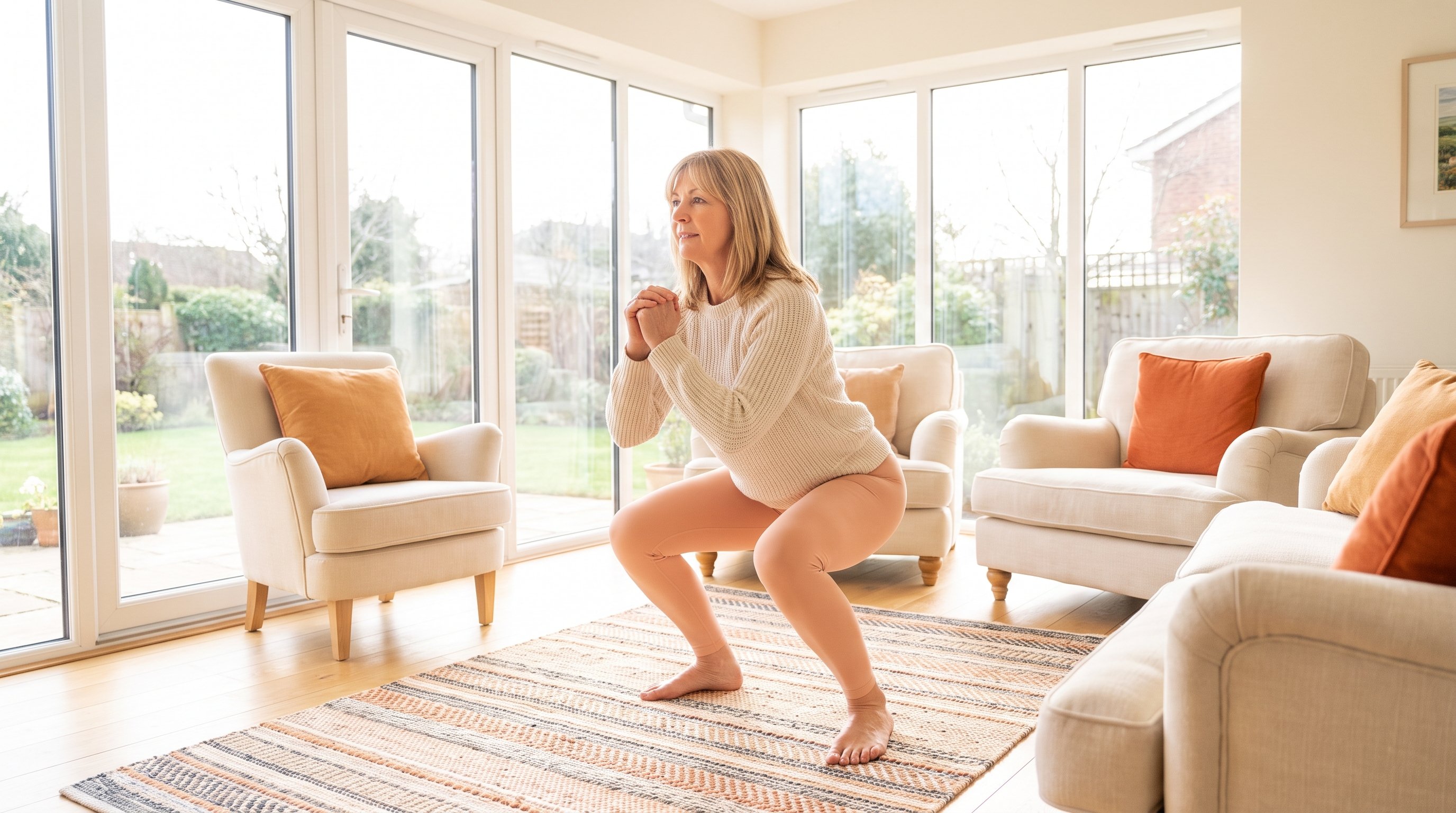
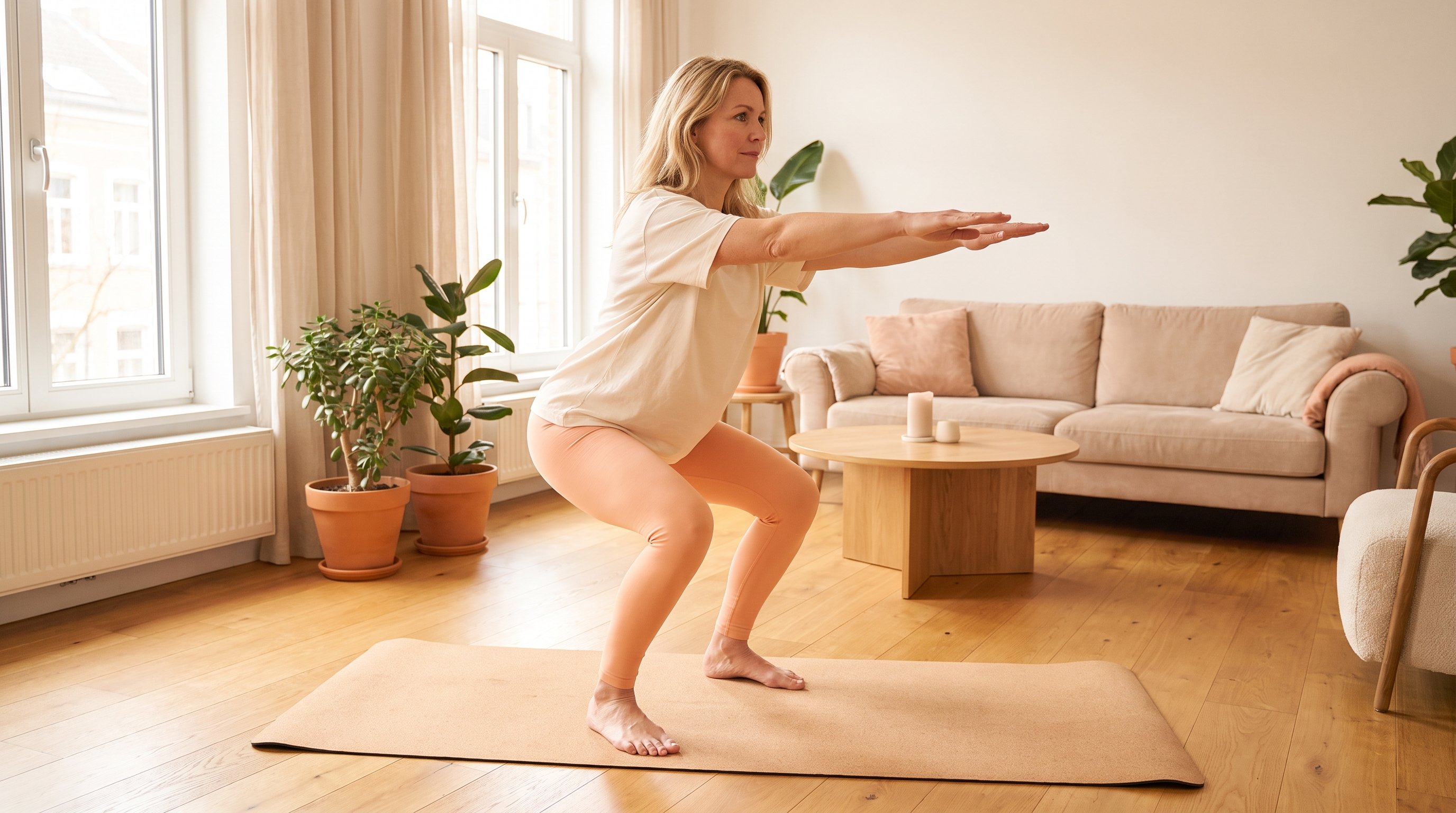
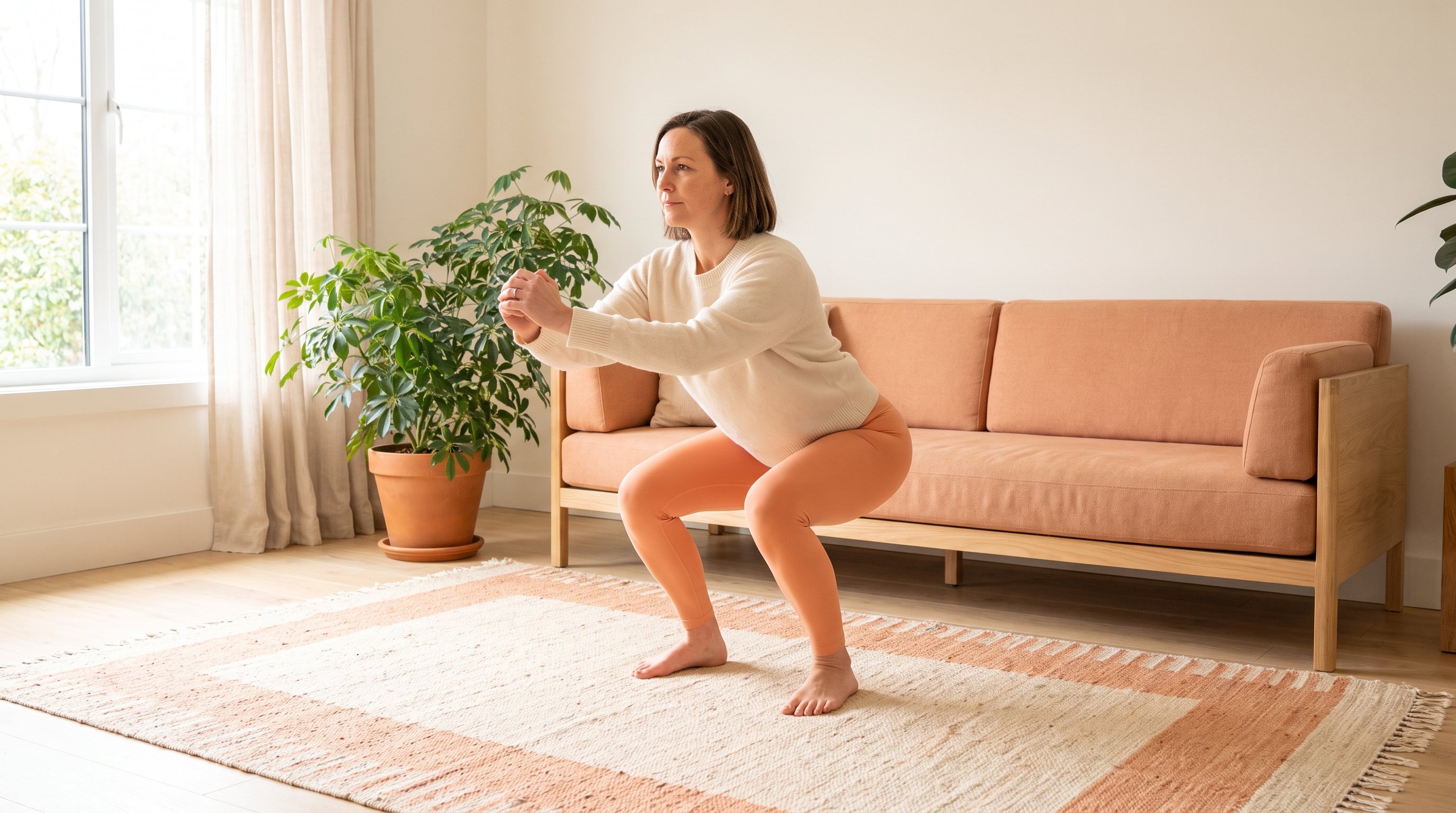
| Thursday | Light bodyweight movement |
| Friday | 20-minute easy walk |
| Weekend | One longer relaxed walk |

Swap any day around to fit your schedule - the order matters less than simply showing up most days of the week.
Making Low-Strain Movement Fit a Packed Week
The easiest way to keep this going is to attach it to something you already do - movement after the school run, before the first coffee, or during a call you can take standing up.
Guided workouts are built short on purpose, so a session fits into a lunch break without needing a shower or a change of clothes afterwards.
Pairing that with a meal plan built around food you already like means you're not trying to fix eating and movement from scratch at the same time.
What to Expect in the First Few Weeks of Movement
Be wary of anyone promising a number on a timeline - that's not how this works, and it's not what low-strain movement is for. What you can expect is more modest and more honest: the habit gets easier to keep before anything else changes.
Energy and sleep often shift first, simply because you're moving more and sitting less across the day. Visible change, if it comes, takes longer and depends on everything else you're doing, not just the movement itself.
The people who stick with it treat the early weeks as habit-building, not results-checking.
Mistakes That Quietly Undo a Gentle Routine
Treating Rest Days As Movement Days Too
Going from zero structured movement straight to daily sessions with no planned lighter days often burns out motivation fast - build in slower days on purpose.
Expecting It to Target One Area
No routine, gentle or hard, decides where change shows up on the body - judge progress by consistency and how you feel, not by one measurement.

Skipping It the Moment Life Gets Busy
A 10-minute version on a packed day keeps the habit alive far better than skipping entirely and restarting from scratch next week.
Ignoring Food While the Movement Happens
Movement and eating work as a pair - a tailored anti-inflammatory meal plan alongside the movement does more than either piece on its own.
Building a Low-Strain Habit With Flame Diet's Tools
Keeping a gentle routine going usually comes down to having it laid out somewhere you'll actually check, rather than relying on memory or motivation.
Flame Diet brings together over 100 workouts and exercises, guided meditations, and step, water and weight tracking in one place, so the gentle routine and the eating side sit together instead of living in separate apps.

Manage Weight with Personalized Flame Diet
Make it simple with a plan made for you
Starting a Gentle Movement Habit This Week
Pick one slot in tomorrow's schedule and put 15 minutes of easy movement into it - a walk, a stretch, anything that doesn't need recovery time.
Flame Diet can hold that routine alongside your meals and your progress tracking, so the habit has somewhere to live once the first week is done.
FAQ
It supports a calorie deficit by adding to your daily energy use and keeping you consistent, which matters more over time than any single hard session. It works alongside eating habits, not instead of them.
Easy doesn't mean pointless - it means sustainable, and a routine you repeat beats an intense one you abandon after two weeks. The total adds up across days, not within one session.
Start smaller than feels necessary - a few minutes of movement still counts, and you can build from there without forcing anything that hurts. Gentle workouts designed with lighter options are perfect for exactly this starting point.
Attach it to an existing habit, keep sessions short enough to never feel like a chore, and track it somewhere visible so missed days are obvious. Most routines fade from lack of structure, not lack of willpower.
Share this post