Exercises For Longevity: The Honest Guide
By:Author:Flame Diet Editorial
Updated on:October 18, 2026

- Building a Weekly Routine Around Movement That Lasts
- How Much Exercise Actually Supports Long-Term Health
- Fitting These Exercises Around a Full-Time Week
- A Four-Stage Way to Build Longevity Exercise
- What Changes As the Weeks Turn Into Months
- Why Longevity Routines Quietly Fall Apart
- Making Longevity Exercise Stick With Flame Diet
- Starting Your Own Longevity Routine This Week
Exercises for longevity are simply the ones you can keep doing for decades: walking, carrying, squatting, pushing, pulling and balancing. There's no secret move that adds years on its own - the mechanism is consistency, not intensity.
Your body holds onto muscle, balance and joint range only when you keep asking it to use them. Skip that for long enough and all three quietly decline, which is why the exercises that matter most are the unglamorous, repeatable ones.
This guide covers what to actually do, how often, a simple starter plan, where most people stall, and how to build a routine that still fits your life in five years.
Building a Weekly Routine Around Movement That Lasts
You don't need a complicated program to cover the basics your body needs long term. Here's a simple sequence to work through each week.

A Weekly Framework
- Start with a daily walk - even a short one keeps your cardiovascular system and joints used to moving.
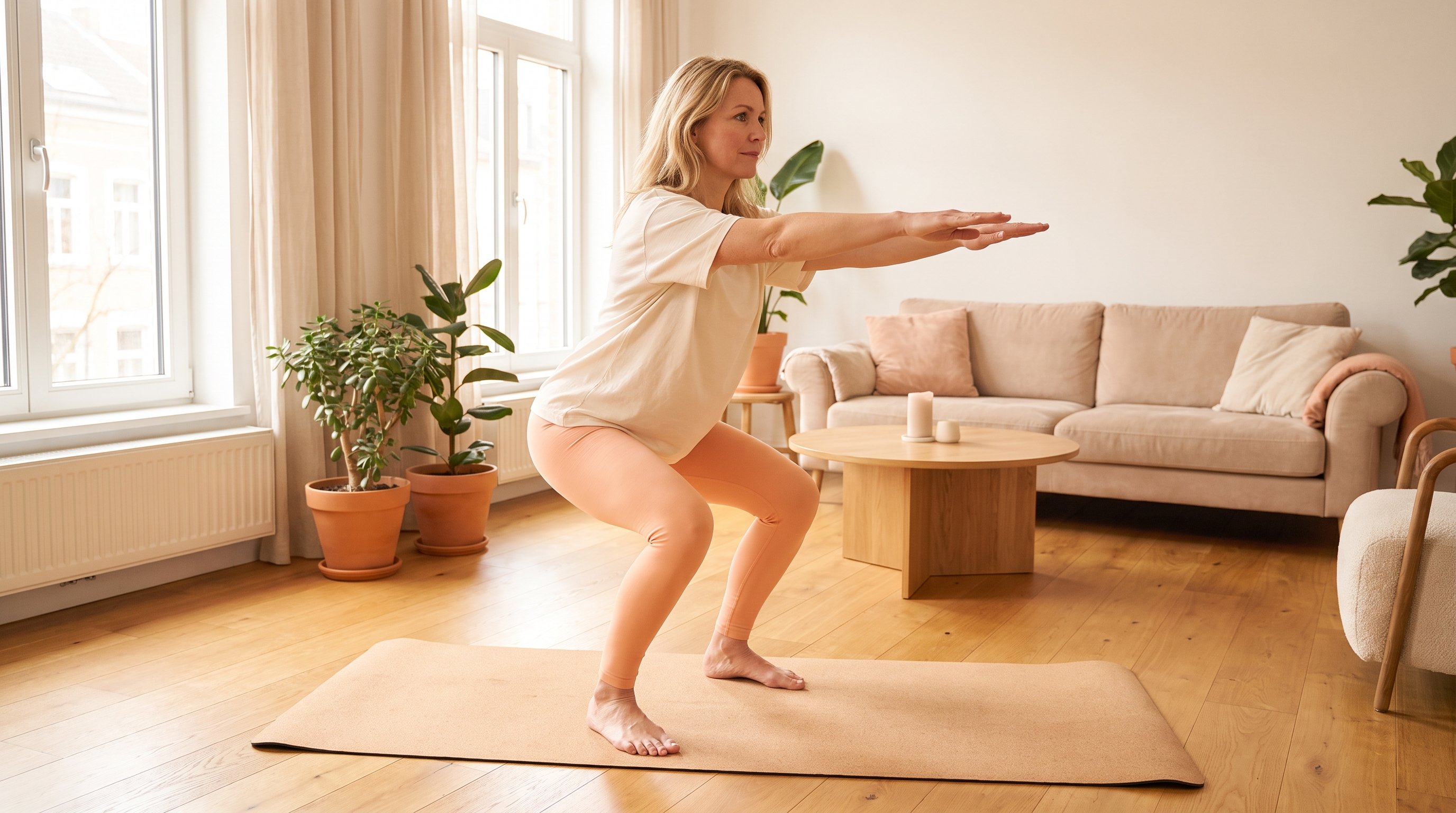
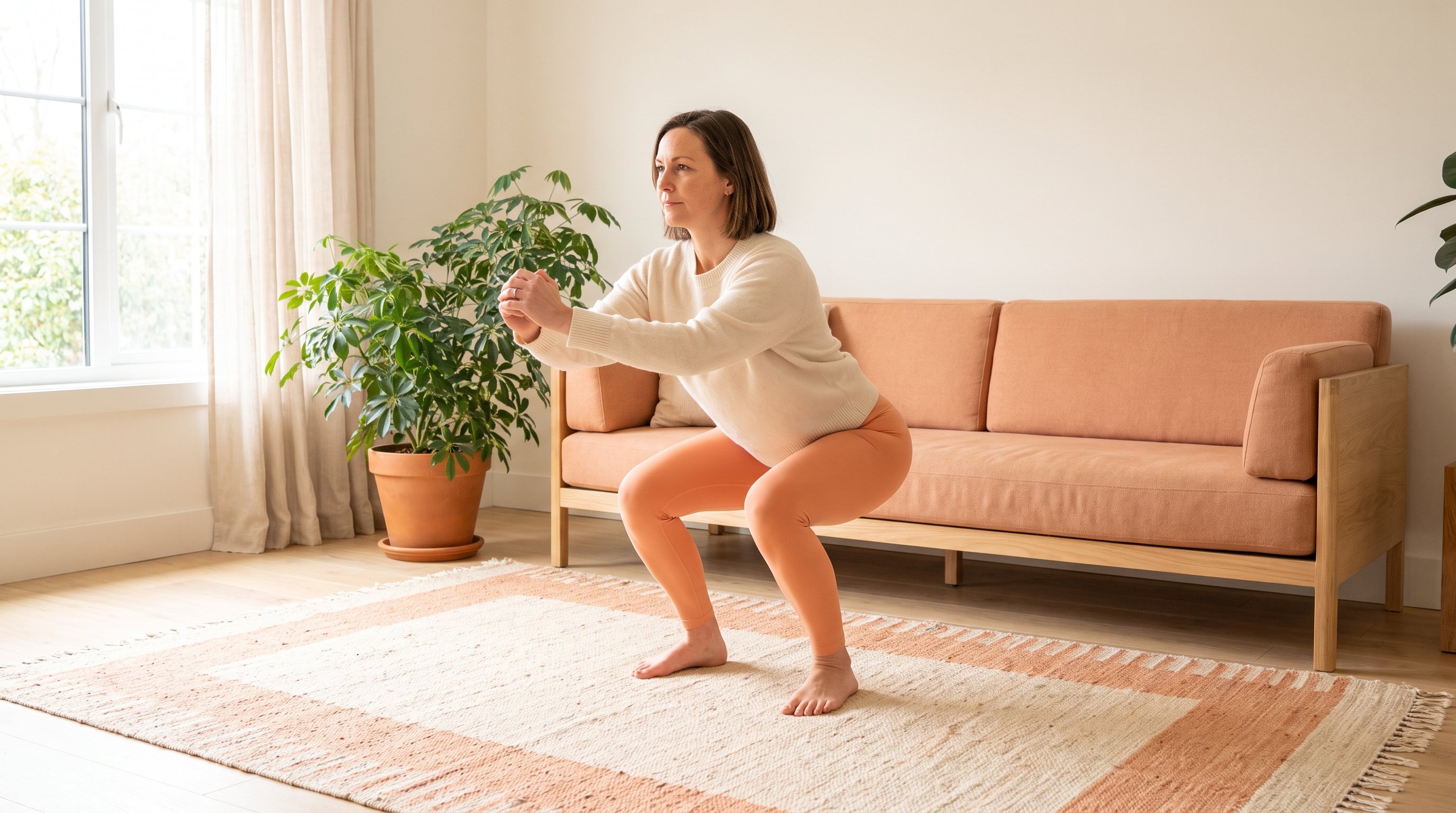
- Add two strength sessions - bodyweight squats, push-ups against a wall or counter, and rows with a resistance band cover the main muscle groups.
- Train balance on its own - standing on one foot while brushing your teeth counts, and it's one of the few things that specifically protects against falls later.
- Stretch the tight spots - hips, hamstrings and shoulders tend to stiffen first, so give them a few minutes most days.
- Carry something heavy occasionally - groceries, a weighted bag, anything that makes your grip and core work.
- Rest on purpose - one or two lower-effort days a week let the adaptations from the harder days actually happen.
- Repeat weekly, adjusting load slowly - small increases in reps or distance beat big jumps that lead to injury.
None of these steps need equipment or a gym membership to start.
How Much Exercise Actually Supports Long-Term Health
A Practical Weekly Target
Think in terms of minutes and sessions rather than perfection. The table below gives a starting point you can adjust to your own week.
| Activity | Amount | Frequency |
|---|---|---|
| Walking | 20 to 30 minutes | Most days |
| Strength work | 20 to 30 minutes | Twice a week |
| Balance practice | 2 to 5 minutes | Most days |
| Stretching | 5 to 10 minutes | 4 to 5 times a week |
| Full rest | No structured exercise | 1 to 2 days a week |
Add it up and that's roughly two to three hours a week spread across short, manageable sessions - not a daily hour-long commitment.
Fitting These Exercises Around a Full-Time Week
The honest problem with longevity exercise isn't knowing what to do - it's finding a repeatable slot for it between work, family and everything else. Attaching it to something you already do each day, like a walk after lunch or stretching while the kettle boils, removes the need to find extra time.

This is where a bit of structure helps more than willpower does. A library of simple workouts and guided routines gives you a short session to follow instead of deciding from scratch each day, and progress tracking keeps steps and consistency visible so the habit doesn't quietly slide.
None of this needs a block of free time you don't have - ten minutes done consistently beats an hour you keep postponing.
A Four-Stage Way to Build Longevity Exercise
Order matters more than exact numbers here - build the habit of showing up before you build intensity.
| Stage | Focus | Goal |
|---|---|---|
| Stage 1 | Walking and balance only | Make daily movement automatic |
| Stage 2 | Add bodyweight strength twice a week | Build basic muscle and confidence |
| Stage 3 | Add stretching and carrying loads | Cover mobility and grip strength |
| Stage 4 | Adjust reps, distance or load slightly | Keep the routine from going stale |
Move to the next stage only once the current one feels ordinary, not effortful.
What Changes As the Weeks Turn Into Months
Early on, the win is just that you keep showing up - strength and balance improvements take longer to notice than effort does. Expect the first few weeks to feel like admin: finding the slot, remembering the stretches, working out what balance drill you can actually hold.
Further in, sessions that once felt awkward start to feel routine, and that's the real marker of progress, not a number on a scale. This is also roughly where people quit, right before the habit would have started running on its own rather than on willpower.
There's no fixed point where the work is done - longevity exercise is something you keep doing, not a program you finish.
Why Longevity Routines Quietly Fall Apart
Chasing Intensity Too Early
Jumping straight into hard sessions before the basics are automatic usually ends in soreness that kills motivation. Keep the first few weeks easy enough that you actually want to repeat them.
Skipping Balance Work Entirely
Strength gets all the attention, but balance is just as easy to neglect and it's one of the few things with no other substitute. A couple of minutes a day is enough to keep it from being an afterthought.
Treating Rest Days As Optional
Training through fatigue every day doesn't speed anything up - it just raises the odds of a tweak or niggle that stops you entirely. Build the rest day in on purpose rather than taking it only when forced to.
Expecting a Visible Before and After
Longevity exercise isn't about reshaping how you look - the body doesn't let you target a result that way, and that was never the point. The payoff is how capable you feel doing ordinary things, which is harder to photograph but easier to feel.
Making Longevity Exercise Stick With Flame Diet
Consistency is the entire mechanism behind exercises for longevity, and consistency is easier when you're not starting from a blank page every day. Flame Diet's 100+ workouts and exercises give you ready-made sessions for strength, light movement and stretching, so you're choosing from a list instead of improvising.
Its progress tracking keeps steps, water and consistency in one place, and its guided meditations give you a way to manage the stress that otherwise eats into recovery. Flame Diet also pairs this with a customized anti-inflammatory meal plan, which matters because food and movement both feed into how your joints and energy hold up over time.
Manage Weight with Personalized Flame Diet
Make it simple with a plan made for you
Starting Your Own Longevity Routine This Week
Pick one thing from this guide - a daily walk, two short strength sessions, or a minute of balance practice - and do it this week before worrying about the rest. The routine only works if it's small enough to actually repeat.
Flame Diet can help you turn that one habit into a structured weekly routine once it feels natural, but the first step is simply starting somewhere.
FAQ
There isn't one - walking, strength work and balance practice each cover something the others don't. Doing a bit of all three beats doing a lot of just one.
Walking covers cardiovascular health well but doesn't maintain muscle or balance on its own. Pairing it with even light strength and balance work covers the gaps walking leaves open.
Lower-impact versions of the same movements, like seated rows or supported squats, still train the same muscles without the same strain. Start smaller and build up rather than skipping the movement entirely.
Most people quit once the first few weeks feel repetitive and the novelty wears off, right before the habit would have become automatic. Flame Diet's tracking and ready-made sessions are built to carry you through that exact point.
Share this post